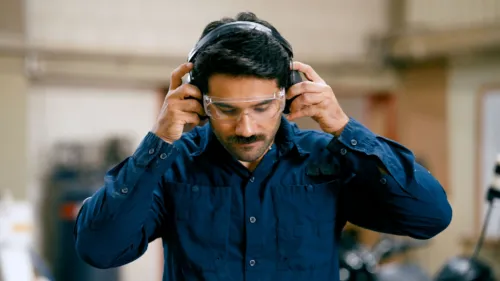
Why Everyday Noise Can Affect Your Hearing
Our ears are sensitive to sound, and prolonged or repeated exposure to noise can place strain on the delicate structures of the inner ear. Over time, this can lead to noise-induced hearing loss, which often develops gradually and without obvious early warning signs.
Unlike sudden loud sounds, everyday noise exposure may not feel harmful at the moment. However, regular exposure to moderate-to-loud sounds can still contribute to changes in hearing if protection is not used.
Common Noisy Environments You May Not Think About
Noise exposure doesn’t only occur in industrial settings. Many everyday environments can reach levels that place hearing at risk, including:
- Workplaces using machinery or tools
- Traffic, public transport, and busy urban areas
- Concerts, sporting events, and social venues
- Household activities such as lawn mowing, power tools, or DIY projects
Understanding where noise exposure occurs is an important step in learning how to protect your hearing more effectively.
Simple Ways to Protect Your Hearing Day to Day
Small changes can make a meaningful difference to long-term hearing health. Some practical steps include:
- Lowering volume levels when using personal devices
- Taking regular breaks from noisy environments
- Increasing distance from sound sources where possible
- Using hearing protection in situations where noise cannot be avoided
These everyday habits help reduce strain on the ears and support ongoing hearing health.
Choosing the Right Hearing Protection Devices
There is a wide range of hearing protection devices available, designed to suit different environments and listening needs. Options may include earmuffs, earplugs, or custom-made solutions that provide a comfortable and secure fit.
An audiologist can help assess your noise exposure and recommend protection that balances effectiveness with comfort, making it easier to use consistently.
Hearing Protection for Adults
Adults may be exposed to noise through work, hobbies, or social activities. Whether it’s industrial noise, music, or recreational pursuits, appropriate hearing protection for adults can help reduce the risk of long-term hearing changes.
Custom earplugs and tailored solutions can be particularly beneficial for people who are regularly exposed to noise, as they are designed to fit comfortably and provide reliable protection.
Hearing Protection for Children
Children’s ears are especially sensitive, and early protection plays an important role in lifelong hearing health. Noisy environments such as concerts, sporting events, and busy public spaces can affect young ears if protection is not used.
Age-appropriate hearing protection for children, such as earmuffs designed for smaller heads, can help reduce noise exposure while remaining comfortable and safe to wear.
When to Seek Professional Advice
If you notice difficulty hearing in noisy environments, ringing in the ears, or sensitivity to sound, it may be helpful to seek professional advice. An audiologist can assess your hearing, discuss your daily noise exposure, and recommend suitable protection options.
Early guidance can help prevent further changes and support long-term hearing wellbeing.
Protecting Your Hearing for the Future
Protecting your hearing is an ongoing process, not a one-time decision. With the right knowledge and support, it’s possible to reduce everyday noise risks and maintain healthy hearing over time. The team at Can:Do Hearing can help you find solutions tailored to your lifestyle, environment, and hearing needs.